Archives
- 2025-12
- 2025-11
- 2025-10
- 2025-09
- 2025-03
- 2025-02
- 2025-01
- 2024-12
- 2024-11
- 2024-10
- 2024-09
- 2024-08
- 2024-07
- 2024-06
- 2024-05
- 2024-04
- 2024-03
- 2024-02
- 2024-01
- 2023-12
- 2023-11
- 2023-10
- 2023-09
- 2023-08
- 2023-06
- 2023-05
- 2023-04
- 2023-03
- 2023-02
- 2023-01
- 2022-12
- 2022-11
- 2022-10
- 2022-09
- 2022-08
- 2022-07
- 2022-06
- 2022-05
- 2022-04
- 2022-03
- 2022-02
- 2022-01
- 2021-12
- 2021-11
- 2021-10
- 2021-09
- 2021-08
- 2021-07
- 2021-06
- 2021-05
- 2021-04
- 2021-03
- 2021-02
- 2021-01
- 2020-12
- 2020-11
- 2020-10
- 2020-09
- 2020-08
- 2020-07
- 2020-06
- 2020-05
- 2020-04
- 2020-03
- 2020-02
- 2020-01
- 2019-12
- 2019-11
- 2019-10
- 2019-09
- 2019-08
- 2019-07
- 2019-06
- 2019-05
- 2019-04
- 2018-11
- 2018-10
- 2018-07
-
br Material and methods br Results
2020-11-06
Material and methods Results Discussion In the present study, twenty strains of Y. enterocolitica were analyzed for their inhibitory potential on cysteine proteases. Five of these strains belonged to bioserotype 4/O:3, which is distinguished for its pathogenicity towards humans. The rest of
-
CysLTs trigger contractile and inflammatory processes throug
2020-11-06
CysLTs trigger contractile and inflammatory processes through the specific interaction with cell surface receptors belonging to the rhodopsin family of the G protein-coupled receptor (GPCR) genes. Until now, two receptor subtypes have been cloned, namely CysLT1 and CysLT2[8]. In particular, when the
-
The oxidation of the lipid fraction of meat is an
2020-11-05
The oxidation of the lipid fraction of meat is an extremely complex process because of the high sensitivity of oxidation products to decomposition, their reactions with other components, the complex effect of catalysts and the presence of antioxidants. These changes are the main cause of limited sh
-
br Acknowledgements This study was financially supported
2020-11-05
Acknowledgements This study was financially supported by the National Special Research Programs for Non-Profit Trades (Agriculture) (Grant No. 201303045) and the Basic Foundation for Scientific Research of the State-level Public Welfare Institutes of China (Grant No. 2013JB10). Introduction L
-
GSK-LSD1 hydrochloride receptor br Introduction The protein
2020-11-05
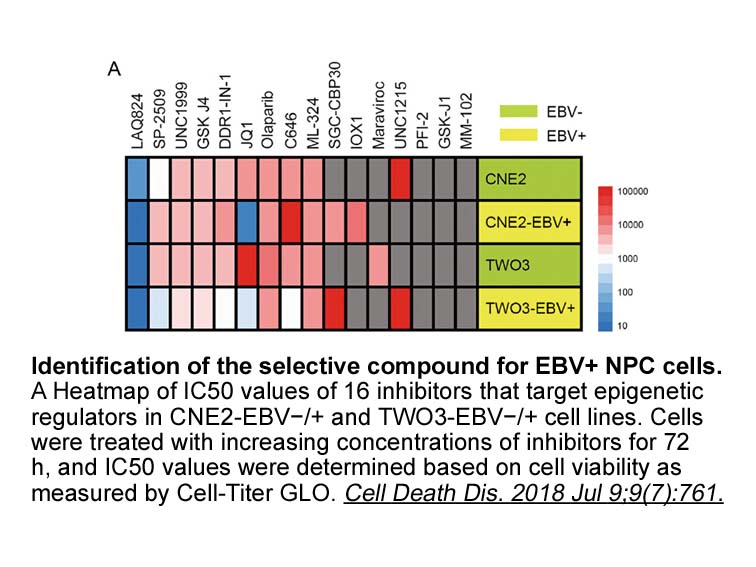
Introduction The protein Epidermal Growth Factor Receptor Tyrosine Kinase (EGFR-TK) play important role in non small-cell lung carcinoma (NSCLC) and vital therapeutic progress withinin the treatment of this ailment has revamped the past ten years through the exploitation of this insight (Mok et a
-
In the present study we used
2020-11-05
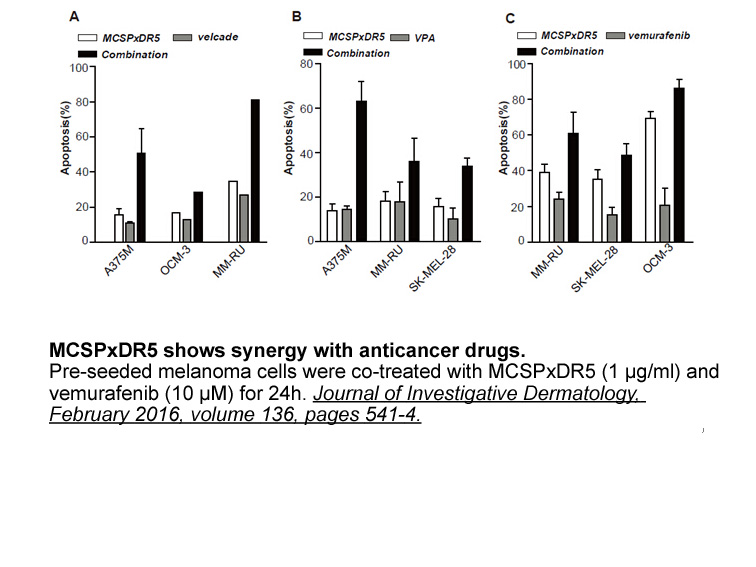
In the present study, we used linagliptin, one of the commercially available DPP-4 inhibitors, because it has more long-lasting inhibition of DPP-4 activity than other drugs of this class. We hypothesized that linagliptin may interact with intercellular components, not only with DPP-4 on the plasma
-
br STAR Methods br Acknowledgments We
2020-11-05
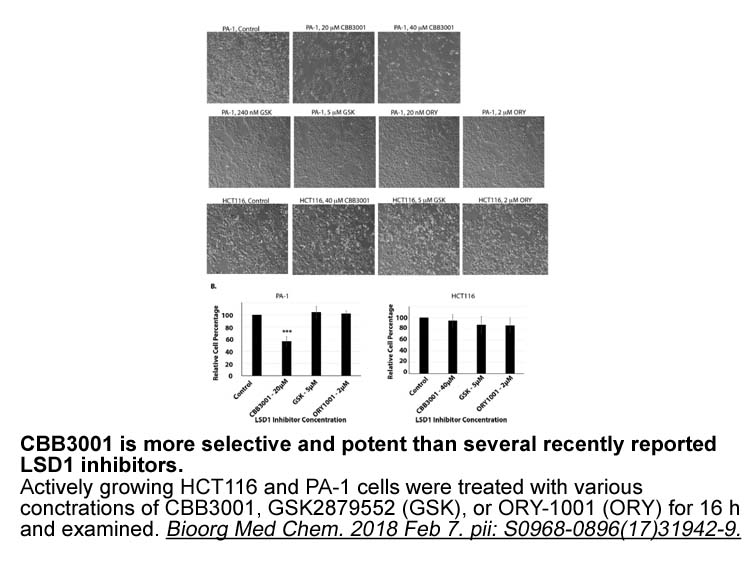
STAR★Methods Acknowledgments We thank Geneviève Almouzni, Sophie Polo, Ralph Scully, Wael Mansour, and Jeremy Stark for providing cell lines and Wolf Heyer, Haico van Attikum, Martijn Luijsterburg, and Brendan Price for helpful discussions. We thank Ratna Weimer, Bettina Basso, Christel Braun,
-
Since the initial identification of DNA ligase inhibitors by
2020-11-05
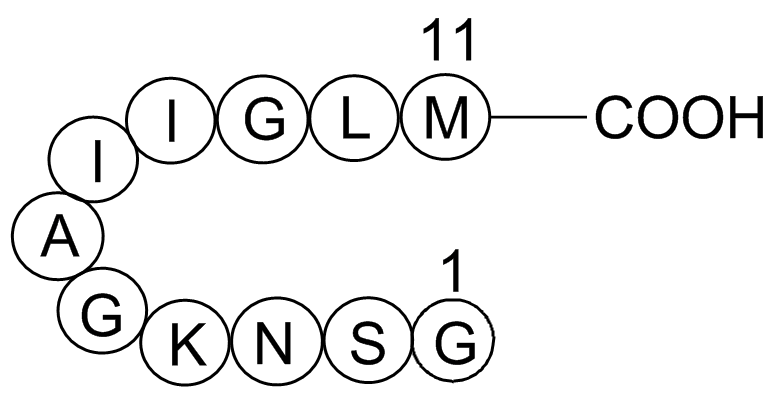
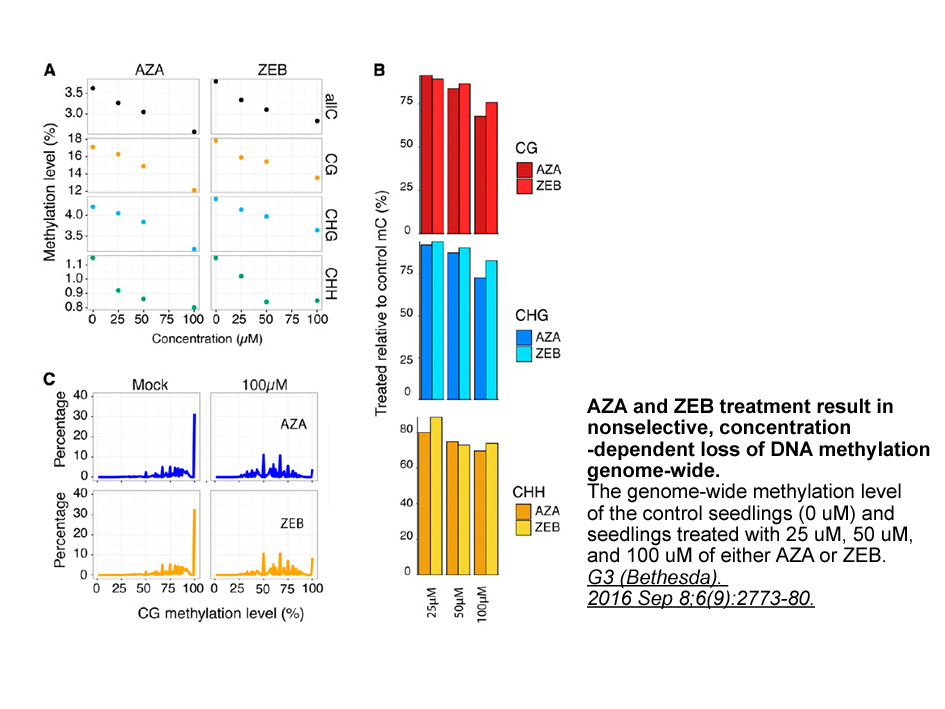
Since the initial identification of DNA ligase inhibitors by a structure-based approach [[18], [26]], there have been several reports describing LigI inhibitors using computer modelling and derivatives of the original DNA ligase inhibitors [[49], [50], [51]]. While these studies have shown that the
-
Silicristin Based on the deduced amino acid
2020-11-05
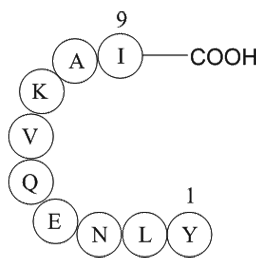
Based on the deduced amino Silicristin sequence of the catalytic subunit of rG3DH, we could find sequence features that are highly conserved in FAD-harboring dehydrogenase, which include FAD binding motif and sequential cysteine residues in Cysteine-rich region. Several dehydrogenases share similar
-
The second DDR binding partner identified here Shp which was
2020-11-05
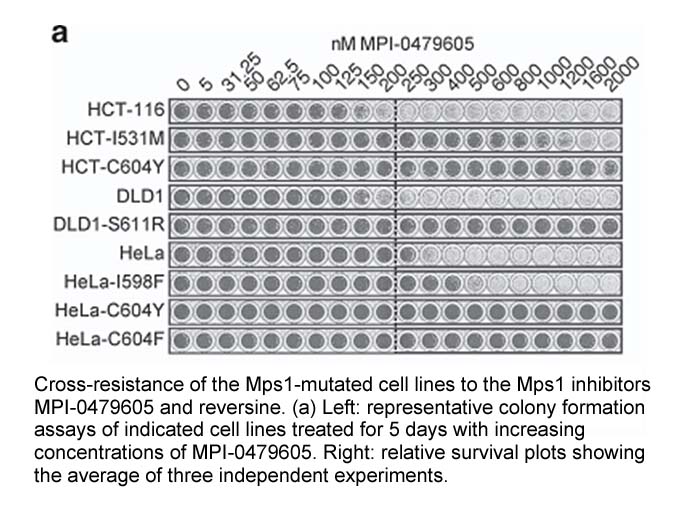
The second DDR1-binding partner identified here, Shp-2, which was not found in the two-hybrid screen but using a bioinformatics approach, is also a mediator of cell migration. Since Shp-2 has two SH2 domains, as well as phosphotyrosine phosphatase enzymatic activity and two C-terminal tyrosines targ
-
Although the crystal structures of Atg C
2020-11-05
Although the crystal structures of Atg4C and Atg4D are not available, their three dimensional structures can be acquired by homology modeling, using the structure of Atg4B as a template (Zhang, Li, Ouyang, Liu, & Cheng, 2016). In that model, the catalytic triad is conserved (Cys110/Asp345/His347 for
-
HvPap a member of the
2020-11-05
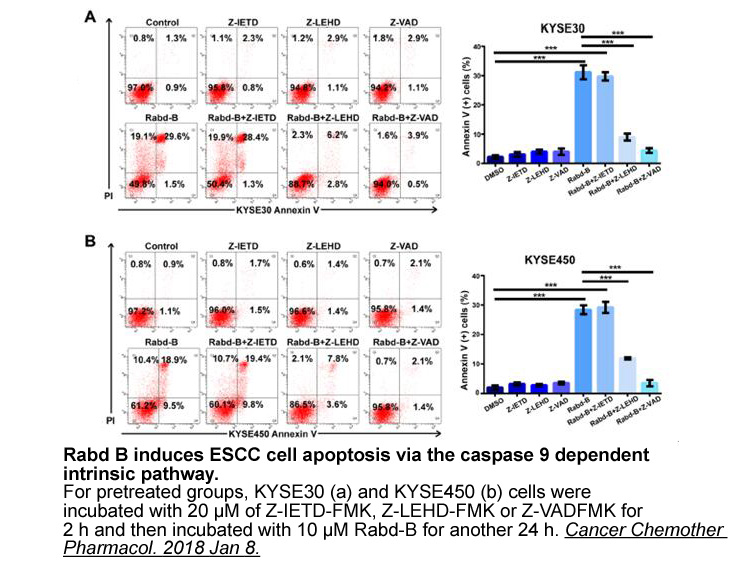
HvPap-1, a member of the cathepsin F-like family, was identified in germinating barley seeds (Sreenivasulu et al., 2008). This enzyme participates in the mobilization of stored proteins (mainly hordeins) during the last phase of grain germination, and its activity is modulated by a propeptide or/and
-
notch pathway Chemokines act as ligands for the chemokine re
2020-11-05
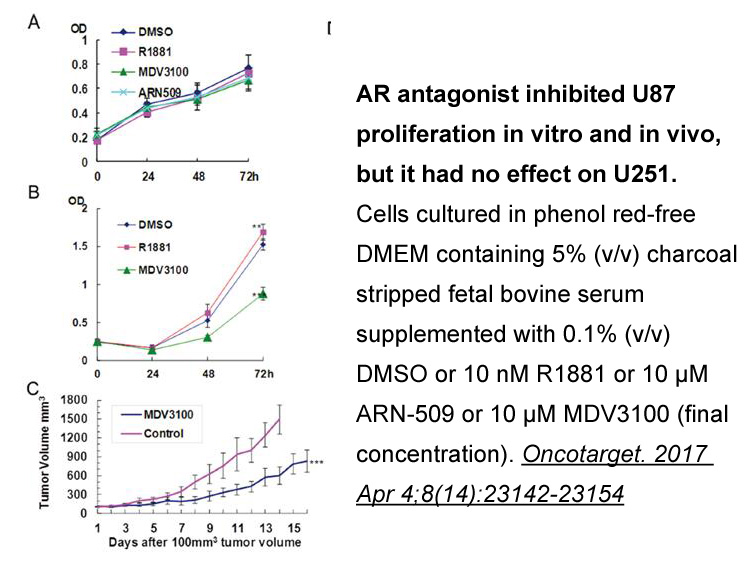
Chemokines act as ligands for the chemokine receptors, which possess 7-transmembran domain-type proteins functionally coupled to G proteins. Leukocytes express 19 chemokine receptors which control their influx and activation at the site of inflammation. Human neutrophils express both CXCR-1 and CXCR
-
Carnitine acetyltransferase CrAT transesterifies short chain
2020-11-05

Carnitine acetyltransferase (CrAT) transesterifies short-chain acyl-CoAs, and is located both in mitochondria and peroxisomes. In yeasts and mammals this protein is the product of a single gene [20,21] and the sorting to different organelles is evolutionary conserved, although the mechanism of diffe
-
br Materials and methods br Results and discussion Iron II
2020-11-05
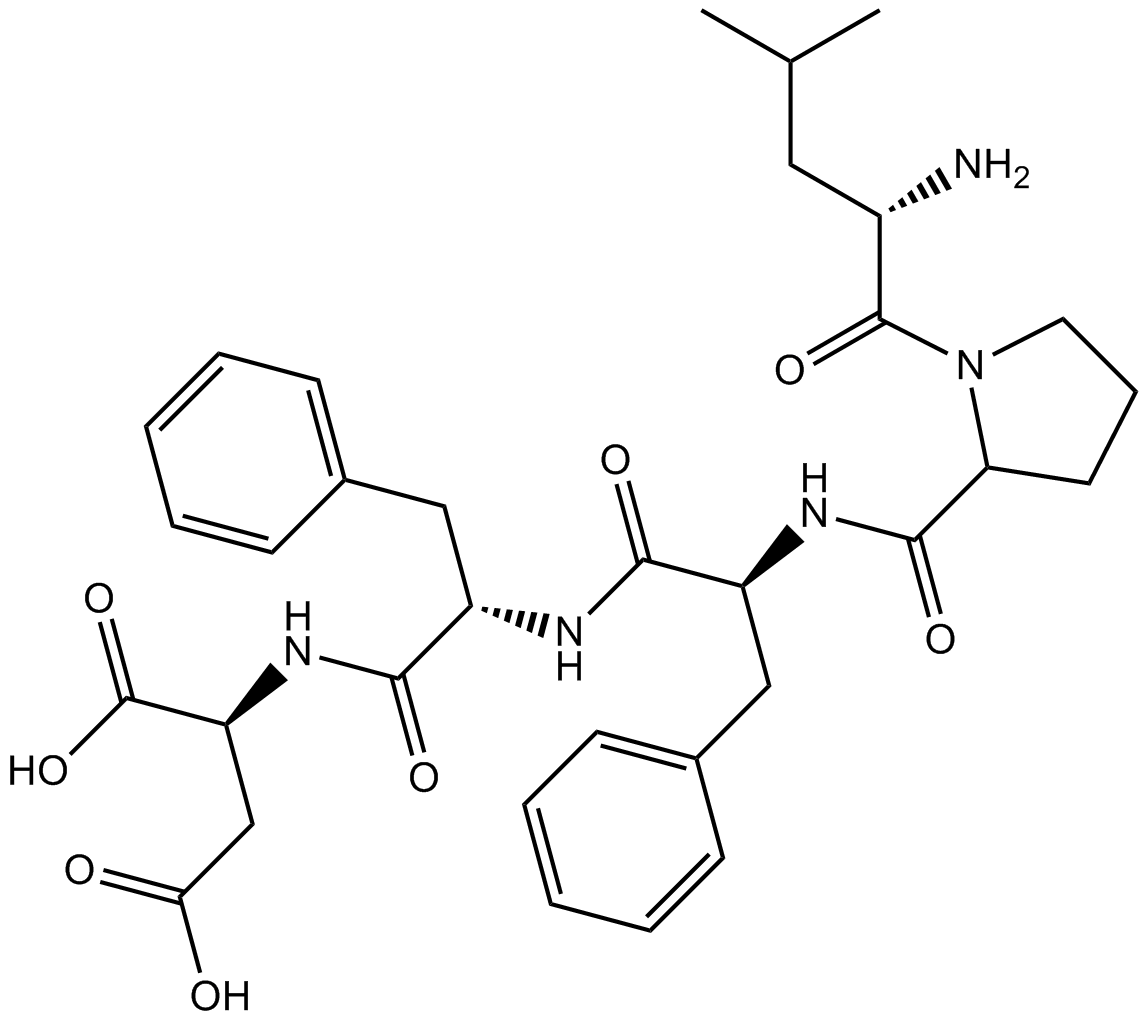
Materials and methods Results and discussion Iron (II)/2-oxoglutarate (2-OG)-dependent oxygenases [28], [29] catalyze oxidative reactions of a range of metabolic processes including the hydroxylation of l-proline and l-lysine residues during the post-translational modification of collagen. Mor
15648 records 733/1044 page Previous Next First page 上5页 731732733734735 下5页 Last page